When an outdoor QR code needs attention
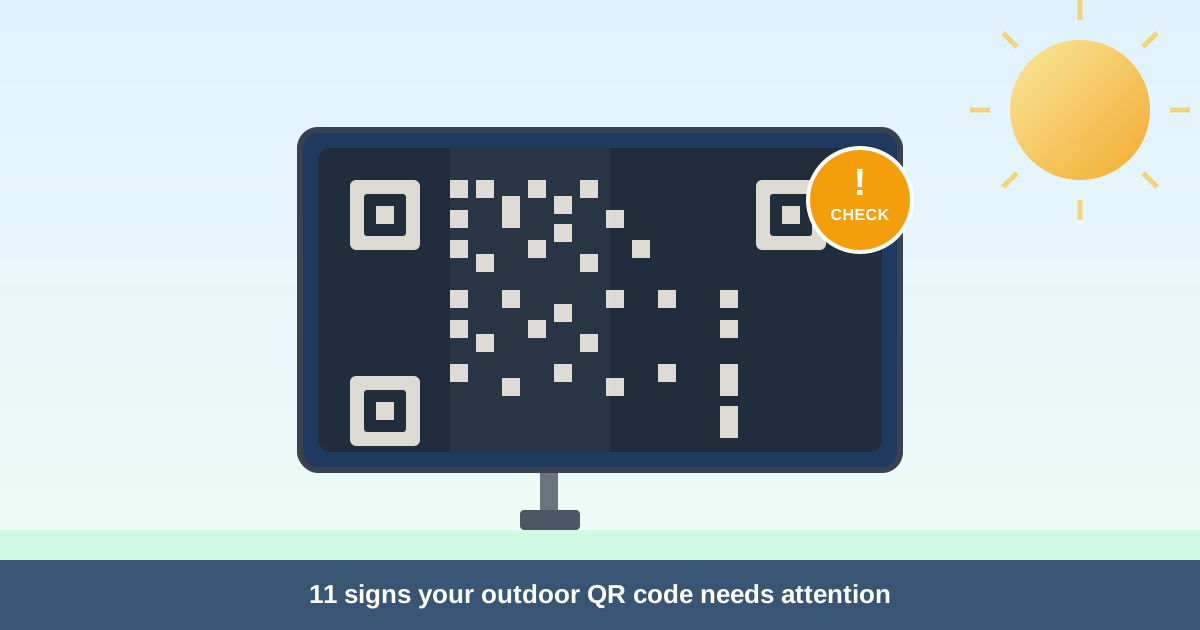
Outdoor placements are exposed to weather, traffic, vandalism, and materials that age badly. A code can still look acceptable from a distance while already losing scan reliability.
- Pattern damage from scratches, fading, or partial print loss.
- Sun exposure that reduces the contrast between dark and light areas.
- Water stains or moisture damage on paper or low-grade prints.
- Dust, road grime, or dirt buildup covering key modules.
- Tears, peeling edges, or cracked poster surfaces.
- Unwanted overlays such as stickers, graffiti, or tampering.
- Broken destination links, expired pages, or redirect issues.
- Poor lighting that makes the code hard to scan on mobile.
- Outdated campaign content, branding, or call to action.
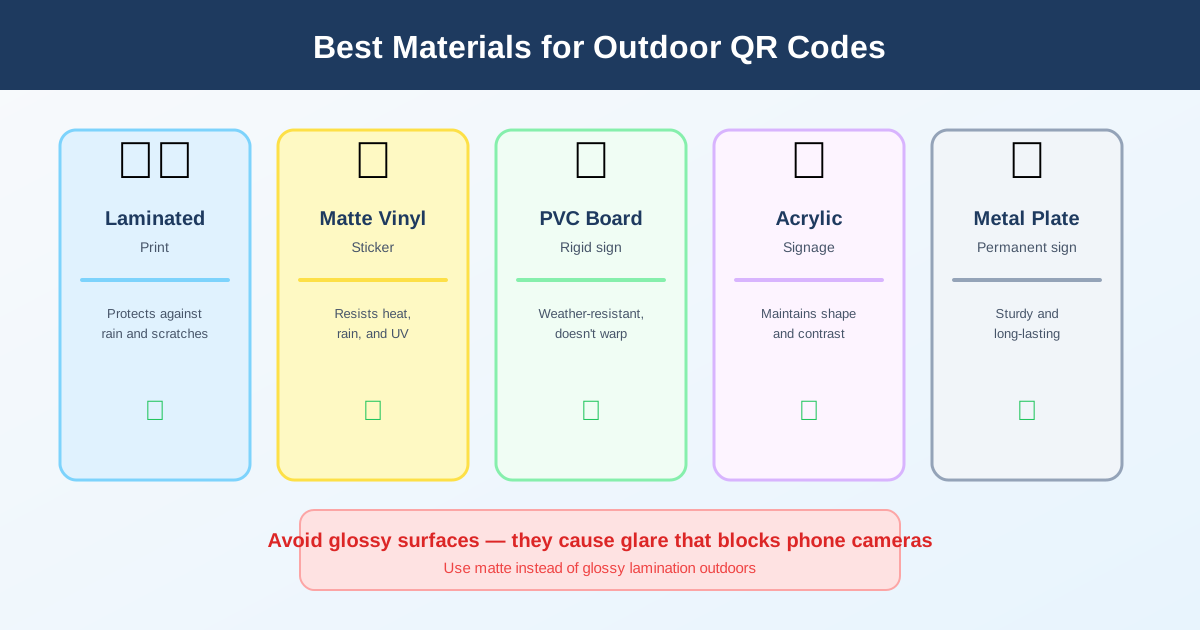
- Glare caused by glossy lamination, glass, or reflective panels.
- Warped or curved mounting surfaces that distort the pattern.
Best materials for outdoor QR codes
Standard paper is usually the wrong choice outdoors. If replacement is expensive, the material decision matters more than most teams expect.
Make durability part of the QR design process
Outdoor QR codes need more than a nice-looking generator output. They need a production workflow that assumes exposure and wear.
- Use high contrast from the start.
- Prefer SVG or other print-friendly formats for sharp edges at larger sizes.
- Keep the quiet zone intact.
- Avoid overly decorative styling if the code will already face harsh conditions.
- Validate the final printed sample, not only the on-screen version.

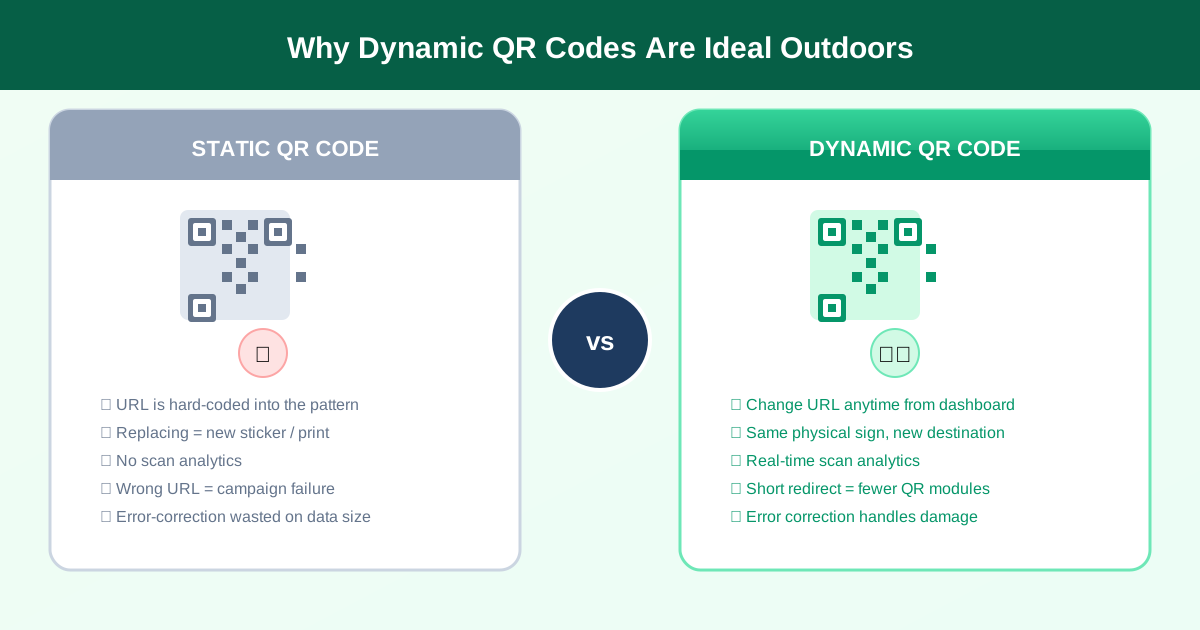
Why dynamic QR codes are useful outdoors
Outdoor replacement is slower and more expensive than indoor replacement. If the campaign changes, physical reprints can become the real cost driver.
Dynamic workflows also make link monitoring easier. If an outdoor poster is still up but the page behind it broke, that is a campaign failure even if the code image itself is intact.
Placement mistakes that reduce outdoor scan rates
- Mounting the code behind glass or on glossy materials that reflect sunlight.
- Putting the code in dim corners or shaded areas with poor phone-camera visibility.
- Installing on curved poles, wrinkled banners, or uneven walls.
- Using a size too small for the expected scanning distance.
- Placing the code where people cannot comfortably stop and scan.

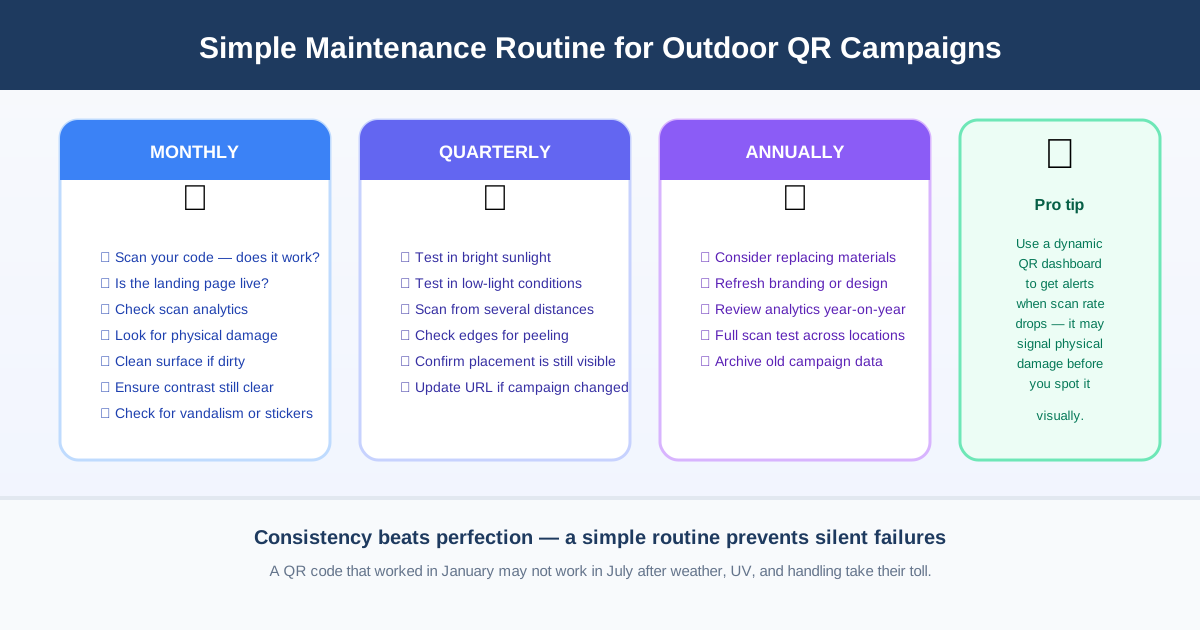
Simple maintenance routine for outdoor campaigns
You do not need a complicated process. A short recurring inspection beats waiting for user complaints.
- Inspect the code visually for fading, dirt, peeling, or obstruction.
- Scan it on multiple phones in daytime conditions.
- Confirm the landing page loads quickly on mobile.
- Check that the CTA and campaign message still match the current offer.
- Replace the print if the surface is damaged or reflective behavior has become a problem.
Practical rule
If the physical code, the placement, or the landing page introduces friction, the outdoor QR code is underperforming. Fixing it early is usually cheaper than letting a live campaign decay in public.